


The world of motorcycles is vast and filled with a variety of choices, but two brands consistently stand out: Yamaha and Suzuki. Both manufacturers have a rich history in the motorcycle industry, offering a range of models that cater to different riding styles and preferences. With their unique engineering philosophies and design aesthetics, Yamaha and Suzuki have garnered passionate followings among riders worldwide.
This guide aims to provide a comprehensive comparison of Yamaha and Suzuki motorcycles, highlighting their strengths, weaknesses, and notable features. Whether you are a seasoned rider looking for your next bike or a beginner exploring your options, understanding the differences between these two giants will help you make an informed decision.
In the subsequent sections, we will explore various aspects such as performance, technology, pricing, and customer support, showcasing how each brand measures up against the other. By examining key models and performance metrics, we aim to equip you with the knowledge needed to choose the motorcycle that best fits your needs and riding style, whether you lean towards the innovative designs of Yamaha or the reliability and performance presented by Suzuki.
Performance Analysis: Speed, Handling, and Ride Quality

When comparing Yamaha and Suzuki motorcycles, performance metrics such as speed, handling, and ride quality are crucial in determining the right choice for riders. Yamaha is known for its powerful engines, often providing high top speeds with strong acceleration. Models like the Yamaha YZF-R1 showcase advanced technology, allowing for impressive power delivery and responsiveness.
Suzuki, on the other hand, emphasizes a balance between speed and control. The GSX-R series exemplifies Suzuki’s ability to deliver competitive speeds while maintaining user-friendly handling characteristics. Riders often note the smooth power band in Suzuki models, making high-speed performance accessible even to less experienced riders.
Handling is another focal point in performance analysis. Yamaha motorcycles typically feature aggressive geometry and suspension tuning that cater to sporty, high-speed cornering. This results in a nimble riding experience, especially on track-oriented models. Suzuki motorcycles, while also capable, tend to offer a more stable ride, enhancing confidence during cornering. Their broader torque curve aids in maintaining control at varying speeds.
When it comes to ride quality, both brands deliver distinct experiences. Yamaha often prioritizes a sportier feel, which can lead to a firmer ride that some may find less comfortable over long distances. In contrast, Suzuki tends to focus on rider comfort, with ergonomics designed for long rides and everyday usability. This makes Suzuki motorcycles more appealing for touring purposes or commuting.
In summary, the choice between Yamaha and Suzuki often boils down to individual riding preferences. Yamaha excels in delivering exhilarating speed and sharp handling, while Suzuki offers a balanced ride with a focus on comfort and control. Both manufacturers have strengths that cater to different types of riders, making it essential to consider the intended use when comparing these brands.
Cost Comparison: Upfront Prices and Long-term Maintenance
When considering a motorcycle, both Yamaha and Suzuki offer a range of models at various price points. On average, Yamaha motorcycles tend to have a slightly higher upfront cost compared to their Suzuki counterparts. This difference often reflects the advanced technology and premium features that Yamaha integrates into their designs. For instance, Yamaha’s sports and touring bikes typically come equipped with more sophisticated electronics and performance enhancements, which can justify the higher initial investment.
In terms of specific models, entry-level Yamaha motorcycles like the YZF-R3 or MT-03 are competitively priced, but still may be on the higher end when compared to Suzuki’s GSX250R or SV650. However, buyers looking for second-hand options will find that Yamaha’s reputation for durability allows their motorcycles to retain value well over time, potentially offering better resale rates.
Long-term maintenance costs are another critical factor to consider in the cost comparison. Yamaha motorcycles generally have a solid reputation for reliability, which translates to fewer unexpected repairs and lower long-term maintenance expenses. Regular maintenance such as oil changes, brake replacements, and tire services tend to be comparable between the two brands, though Yamaha’s parts availability can sometimes result in slightly higher repair costs due to brand-specific components.
Additionally, both Yamaha and Suzuki offer extensive service networks, but Yamaha’s premium brand positioning often results in a more expensive service experience. Suzuki, known for its value-oriented approach, often offers lower-cost servicing options, which can appeal to budget-conscious riders in the long run.
Ultimately, the choice between Yamaha and Suzuki should be influenced not only by the upfront price but also by considering the long-term investment required for maintenance and repairs. Potential buyers should weigh the features and benefits of each brand against their budget and riding preferences to make an informed decision.
Model Range: Best-Selling Bikes and Their Features
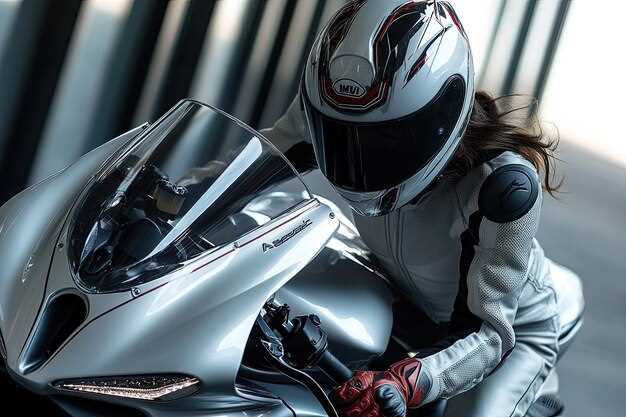
Yamaha offers a diverse range of motorcycles that cater to different riding styles and preferences. Among its best-selling models, the Yamaha YZF-R3 stands out as a favorite for new riders and track enthusiasts alike. This lightweight sportbike features a 321cc parallel-twin engine, providing an exciting blend of power and agility. Its aerodynamic design enhances speed, while the comfortable seating position makes it suitable for both short rides and extended journeys.
The Yamaha MT-07 is another popular option, known for its versatility and user-friendly performance. Equipped with a 689cc twin-cylinder engine, it delivers ample torque and responsiveness, making it ideal for urban commuting and weekend rides. The stripped-down styling emphasizes a naked bike aesthetic, appealing to riders who appreciate a minimalist approach without sacrificing performance.
For adventure seekers, the Yamaha Tenere 700 offers an ideal mix of off-road capability and on-road comfort. Featuring a 689cc engine similar to the MT-07, the Tenere 700 boasts a rugged chassis and long-travel suspension system designed for tackling challenging terrain. Its upright riding position and comfortable seat make long-distance trips enjoyable, positioning it as an excellent choice for adventure touring enthusiasts.
Yamaha’s cruiser lineup includes the iconic VMAX, a powerful motorcycle revered for its muscle and performance. With a 1,679cc V4 engine, the VMAX generates exceptional horsepower and torque, making it a thrilling ride for those who appreciate raw power. Retro styling and modern technology combine in this model, providing a unique riding experience that sets it apart from other cruisers.
In addition to these models, Yamaha also produces bikes tailored for specific niches, such as the YZF-R125 for entry-level sportbike riders and the FZ-09, which features a three-cylinder engine for a distinctive sound and smooth operation. Each model showcases Yamaha’s commitment to quality engineering and innovation, ensuring that there’s a motorcycle for every enthusiast.


