

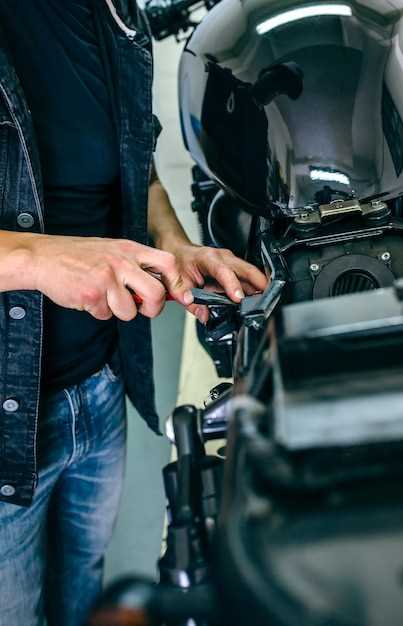
Your motorcycle’s brakes are one of the most essential components when it comes to ensuring your safety on the road. Regular brake checks are not just a recommendation; they are a critical maintenance practice that all riders should prioritize. Neglecting this essential aspect of motorcycle upkeep can lead to catastrophic consequences, potentially putting your life at risk.
Brake systems are complex and can wear down over time due to factors such as friction, heat, and environmental conditions. This wear can compromise the performance of your brakes, affecting their efficacy and, ultimately, your overall safety. Regular inspections help to identify issues early, allowing for timely adjustments or replacements that can keep you safe during your rides.
Moreover, maintaining your brakes is not only a matter of personal safety but also an obligation to other road users. A malfunctioning brake system can lead to accidents that endanger lives. By prioritizing brake checks, you contribute to a safer riding environment for everyone, ensuring a smoother and more responsible experience on the road.
Understanding the Impact of Brake Wear on Performance
Brake wear directly influences the safety and performance of your motorcycle. As brake pads and discs degrade over time, their ability to create friction diminishes, leading to longer stopping distances. This wear can result in a delayed response during emergency situations, significantly compromising rider safety.
Regular maintenance checks are essential to monitor brake components for signs of wear. Components such as brake pads should be inspected for thickness, while rotors must be checked for grooves or warping. Neglecting these checks not only hinders performance but can also lead to costly repairs if issues go unaddressed.
Worn brakes can cause uneven wear patterns, which may result in further complications, including reduced braking efficiency and potential system failure. This highlights the importance of proactive maintenance to ensure that all brake components are functioning optimally.
In summary, understanding brake wear is crucial for maintaining the performance and safety of your motorcycle. Routine inspections and timely replacements are vital practices to uphold your bike’s braking integrity and ensure a safe riding experience.
Key Steps for Conducting a Thorough Brake Inspection
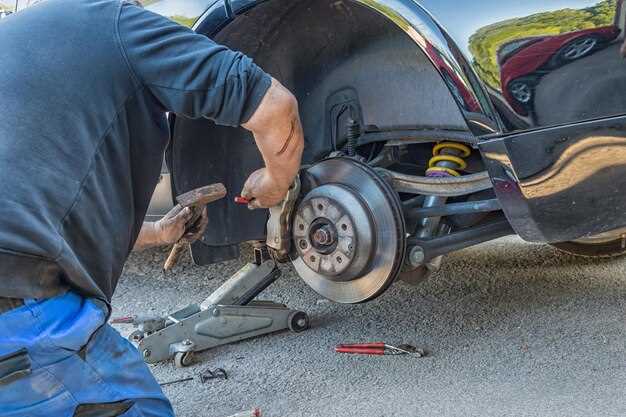
A comprehensive brake inspection is essential for ensuring the safety of your motorcycle. Begin by checking the brake fluid level, as low fluid can indicate leaks or worn components. Ensure the fluid is clean and free from debris.
Next, examine the brake pads for wear. Look for any signs of thinning or uneven wear, as this can compromise braking performance. If the pads are below the minimum thickness, replace them immediately.
Inspect the brake rotors for signs of damage or warping. Any scoring, rust, or deep grooves can affect the efficiency of braking. Use a micrometer to measure the rotor thickness and ensure it meets the manufacturer’s specifications.
Check the brake lines and hoses for any signs of cracks, bulges, or leaks. Damaged lines can lead to brake failure, so any issues should be addressed promptly. Ensure that all connections are secure and tight.
Examine the brake calipers for functionality. Test the movement of the caliper pistons and ensure they are free of corrosion. Any sticking or seizing should be rectified to maintain optimal braking capability.
Finally, test the brakes during a short ride. Pay attention to any unusual noises, vibrations, or changes in braking performance. This practical assessment helps confirm that all components are functioning correctly and safely.
Identifying Warning Signs of Brake Failure and Ensuring Safety
Regular maintenance of your motorcycle’s brake system is essential to ensure its reliability. Ignoring the warning signs of brake failure can lead to catastrophic outcomes. One of the most common indicators is a decrease in braking responsiveness. If you notice that your bike requires more distance to stop than usual or that it feels less responsive to brake inputs, it’s time to investigate further.
Another critical sign is the presence of unusual noises. Squeaking, grinding, or pulsing sounds when applying the brakes often indicate worn brake pads or issues with the rotor. Additionally, pay attention to any changes in the feel of the brake lever or pedal. A spongy or soft brake lever suggests air in the brake lines or low fluid levels, both of which require immediate attention.
Vibrations during braking can signal issues with the brake discs or unevenly worn pads, necessitating prompt maintenance. Leaking brake fluid is also a major red flag; check the brake lines and master cylinder for any signs of fluid loss. Regularly inspecting these components can help prevent unexpected failures.
Overall, being vigilant about these warning signs and responding swiftly with appropriate maintenance will significantly enhance your safety on the road. Prioritizing brake checks not only ensures your motorcycle remains in optimal condition but also safeguards your life and that of others on the road.


