

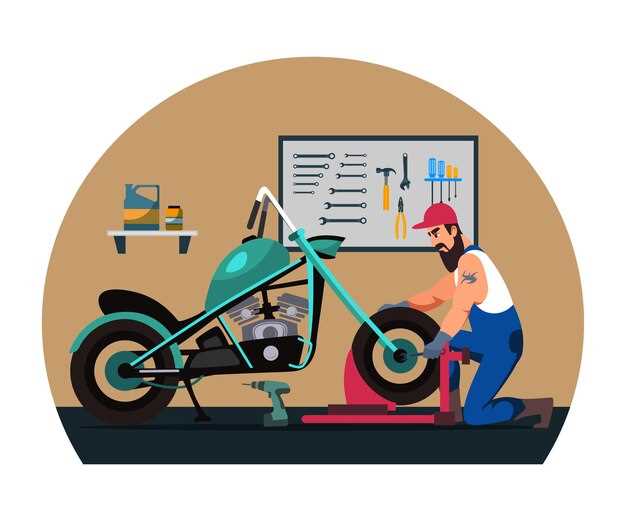
Motorcycle enthusiasts understand that the heart of their machine is the engine. Whether you ride for leisure or commute daily, the performance of your motorcycle depends heavily on how well you maintain this critical component. A well-functioning engine not only enhances your riding experience but also prolongs the lifespan of your motorcycle.
To ensure optimal engine performance, regular maintenance is crucial. This includes routine oil changes, checking spark plugs, and ensuring that the fuel system is clean. Neglecting even the smallest aspect of engine maintenance can lead to significant issues down the road, affecting both power and fuel efficiency.
Furthermore, understanding the different aspects that contribute to engine health can empower you as a rider. From the type of fuel you use to the air filter’s condition, each factor plays a vital role in keeping your engine running smoothly. In this article, we will explore various tips and tricks that can help you achieve peak engine performance.
Regular Oil Changes and Quality Oil Selection
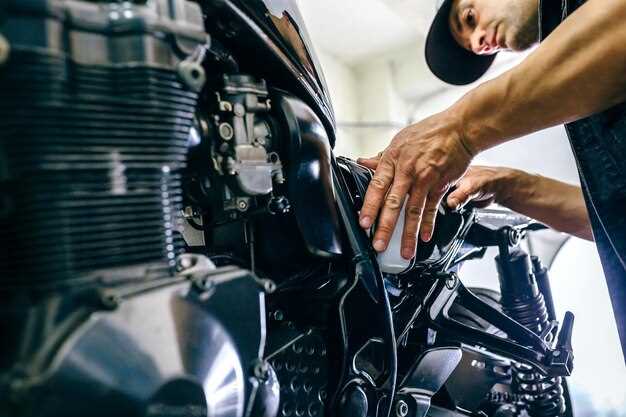
One of the crucial aspects of maintaining a motorcycle engine is ensuring regular oil changes. Engine oil plays a vital role in lubricating moving parts, reducing friction, and dissipating heat. Over time, oil breaks down, loses its effectiveness, and can lead to increased wear and tear on engine components.
It is recommended to change the engine oil based on the manufacturer’s guidelines, usually every 3,000 to 5,000 miles or at least once a year. However, if you frequently ride in extreme conditions, such as heavy traffic or dusty environments, more frequent changes may be necessary. Regular oil checks can help you assess its condition and determine the right time for a change.
Selecting high-quality oil is equally important. Not all oils are created equal; using oil that meets or exceeds the specifications set by your motorcycle’s manufacturer can significantly enhance performance and longevity. Synthetic oils often provide better protection and performance compared to conventional oils, especially in high-performance engines.
Furthermore, pay attention to the viscosity rating of the oil, as it affects how well the oil flows at different temperatures. Choosing the right viscosity can contribute to better engine performance and efficiency. Always opt for oils specifically formulated for motorcycles, as they contain additives that improve their performance under extreme conditions encountered by motorcycle engines.
In summary, regular oil changes combined with the selection of quality oil are essential for optimal maintenance of your motorcycle engine. These practices help ensure that your engine runs smoothly, reduces the risk of malfunctions, and extends the life of your bike.
Checking and Adjusting the Fuel System
Ensuring that your motorcycle’s fuel system is functioning optimally is crucial for maintaining engine performance. A well-adjusted fuel system ensures the right mixture of air and fuel, which contributes to a smooth-running engine. Begin by inspecting the fuel lines for any signs of wear or leakage, as damaged lines can affect fuel delivery. Replace any frayed or cracked lines immediately.
Next, check the fuel filter for clogs. A blocked filter can restrict fuel flow, leading to poor engine performance. If the filter hasn’t been replaced in a while, it’s wise to do so as part of routine maintenance. Additionally, inspect the fuel pump to ensure it is operating correctly; a failing pump can lead to insufficient fuel pressure and affect engine responsiveness.
Adjusting the carburetor or fuel injection system is also essential for achieving optimal fuel mixture. For carbureted engines, adjusting the air-fuel mixture screw can fine-tune performance. A rich mixture can lead to poor combustion and excess carbon buildup, while a lean mixture may cause overheating and engine knocking. For fuel-injected motorcycles, consider re-mapping the fuel injectors if necessary, based on modifications or changes in fuel type.
Regularly checking the fuel level and using high-quality fuel can further enhance engine performance. Contaminated or low-quality fuel can lead to various issues, including engine knocking and stalling. Keeping your fuel system clean and well-maintained not only prolongs engine life but also ensures that your motorcycle delivers optimal performance on every ride.
Maintaining the Cooling System for Optimal Performance

The cooling system is vital for the efficient operation of your motorcycle engine. Proper maintenance ensures that the engine runs at the optimal temperature, preventing overheating and promoting performance. Here are key steps to maintain your motorcycle’s cooling system:
- Regularly Check Coolant Levels: Insufficient coolant can lead to overheating. Ensure that the coolant reservoir is filled to the recommended levels. Check this before each ride.
- Inspect for Leaks: Look for any signs of coolant leaks around hoses, fittings, and the radiator. Early detection can prevent serious engine damage.
- Flush the Cooling System: Over time, coolant can become contaminated. Flushing the cooling system every couple of years removes debris and ensures efficient heat transfer.
- Replace Old Coolant: Use the manufacturer-recommended type of coolant and change it as advised, usually every 2-3 years. Old coolant can lose its effectiveness in regulating temperature.
- Inspect Hoses and Clamps: Check all hoses for cracks, wear, or softness. Ensure that clamps are secure to prevent leaks and maintain pressure within the system.
- Monitor Temperature Gauge: Pay attention to the temperature gauge on your motorcycle. If it indicates overheating, stop riding immediately and diagnose the issue.
- Clean the Radiator: Dirt and debris can accumulate in the radiator, obstructing airflow. Regularly clean it to ensure optimal cooling performance.
By following these steps, you can keep your motorcycle engine cool and enhance its performance, ensuring a smooth and reliable ride.


