


Maintaining the electrical system of your motorcycle is crucial for ensuring its performance and longevity. The electrical system is responsible for powering essential components such as the ignition, lights, and fuel system, making it vital to keep it in optimal condition. Regular maintenance helps prevent unexpected failures and can save you from costly repairs down the road.
Understanding the components of your motorcycle’s electrical system is the first step in effective maintenance. Key parts include the battery, wiring, and charging system. Each of these components plays a significant role in the overall functionality of your motorcycle. By familiarizing yourself with their operations, you can identify potential issues before they escalate into serious problems.
Regular checks and maintenance are necessary to keep your electrical system functioning smoothly. This includes inspecting wiring for any signs of wear or damage, ensuring that connections are clean and secure, and testing the battery to confirm it holds a proper charge. Developing a routine for these checks can help you proactively address issues and maintain the reliability of your motorcycle.
Regular Battery Maintenance and Testing Procedures

Maintaining your motorcycle’s battery is crucial to ensure the reliability of its electrical system. Regular inspections help to identify potential issues before they escalate, ensuring that your bike starts smoothly and operates efficiently. Begin by checking the battery terminals for corrosion. Clean any buildup with a solution of baking soda and water, and ensure that the terminals are securely connected.
Next, inspect the battery fluid levels if your battery is not a sealed type. Ensure the electrolyte levels are within the recommended range, adding distilled water if necessary. It’s important to avoid overfilling, as this can lead to spills and damage to the electrical system.
Regularly testing your battery is equally important. Utilize a multimeter to measure the voltage; a healthy battery should read around 12.6 volts or higher when fully charged. When the voltage drops below 12.4 volts, it could indicate a need for charging or replacement. Additionally, consider performing a load test, which checks the capacity of the battery under load to confirm its health.
Another key aspect of battery maintenance involves monitoring the charging system. Ensure the bike’s charging system is functioning properly by checking the voltage when the engine is running; it should read between 13.5 and 14.5 volts. This confirms that the alternator is effectively recharging the battery.
Lastly, it’s advisable to conduct these maintenance tasks every few months or more frequently if you ride sporadically. Proper battery care protects not only the battery itself but also the entire electrical system of your motorcycle, enhancing its longevity and performance.
Identifying and Resolving Common Wiring Issues
Maintaining your motorcycle’s electrical system is crucial for reliable performance. One of the most common problems faced by riders involves wiring issues, which can lead to malfunctions or even complete failure of the electrical system. Identifying these issues early can save time and money in the long run.
Start by inspecting the wiring harness for any visible signs of damage, such as fraying, chafing, or corrosion. Pay particular attention to areas where the wires may rub against sharp edges or heat sources. These conditions can cause short circuits, resulting in electrical failures. Ensuring that your wires are properly secured and insulated is essential for maintaining electrical integrity.
Next, check for loose or corroded connections. Loose connections can disrupt the flow of electricity, while corrosion can create resistance that leads to overheating. To resolve these issues, clean the connections with a contact cleaner and check for tightness. If any connections are damaged beyond repair, replacing them should be prioritized.
Another common issue is ground faults. A poor ground connection can lead to erratic behavior of electrical components or complete failure to operate. Ensure that all ground connections are clean, secure, and free from rust. A good ground is necessary for the entire system to function correctly.
Additionally, pay attention to the motorcycle’s battery. A failing battery can create numerous electrical problems. Regular maintenance includes checking battery terminals for corrosion and ensuring they are tightly connected. Testing the battery voltage can determine if it’s delivering adequate power or if it needs replacement.
In case you encounter intermittent electrical issues, consider using a multimeter to diagnose the problem. This tool allows you to measure voltage, current, and resistance in the circuit. Start by checking the voltage at the battery, then trace the wiring to detect where voltage drops or inconsistencies occur. This systematic approach can lead you to the root of the problem.
Finally, document any issues and repairs performed during maintenance. Keeping a record will help you track recurring problems and trends over time, aiding in proactive maintenance and ensuring the longevity of your motorcycle’s electrical system.
Upgrading Components for Enhanced Electrical Performance
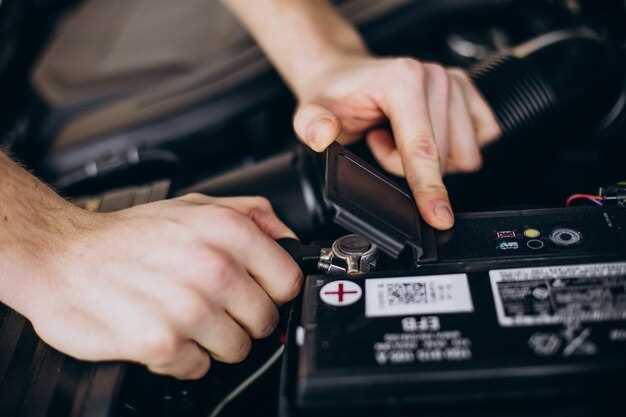
Upgrading components in your motorcycle’s electrical system is a crucial step towards optimizing its performance and reliability. By replacing outdated or underperforming parts, you can ensure a more efficient flow of electrical energy, ultimately enhancing your riding experience.
Start with the battery. A high-performance lithium-ion battery can provide better cold-cranking amps and a longer lifespan compared to traditional lead-acid batteries. This upgrade not only improves starting reliability but also reduces overall weight, contributing to a more agile motorcycle.
Next, consider the charging system. Upgrading to a high-output stator or a performance regulator/rectifier can enhance the electrical system’s ability to maintain voltage under load. This is particularly beneficial for riders who utilize additional accessories such as heated grips, GPS systems, or upgraded lighting.
Wiring plays a significant role in electrical performance as well. Opt for thicker, higher-quality wires that minimize voltage drop, especially in high-demand circuits. Additionally, using soldered connections instead of crimped ones can help improve reliability and reduce the risk of corrosion over time.
Don’t overlook the importance of the ignition system. Upgrading to high-performance ignition coils and spark plugs can lead to improved throttle response and fuel efficiency. This upgrade ensures that your motorcycle has a strong spark, contributing to optimal engine performance.
Finally, consider adding a battery management system (BMS) if you’re using advanced batteries. A BMS can provide real-time data on battery health, voltage levels, and charging cycles, ensuring that your electrical system operates at peak efficiency while extending the life of your components.
By systematically upgrading these components, you will significantly enhance the electrical performance of your motorcycle, resulting in a more reliable and enjoyable ride.


